
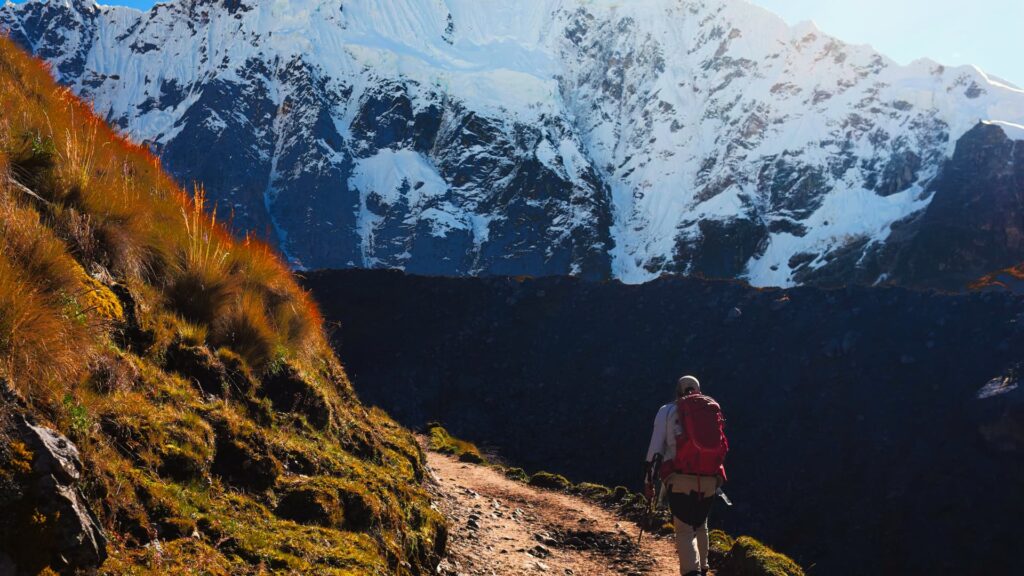
The Salkantay trek is one of the most impressive routes to reach Machu Picchu. This option combines nature, history, and Andean culture. Known as the best alternative to the Inca Trail, this route passes through breathtaking landscapes, transitioning from towering snow-capped peaks to lush high jungle. However, traveling during the rainy season (November to March) presents challenges that, with proper preparation, can turn the experience into a memorable adventure.
Salkantay: The Sacred Andean Mountain
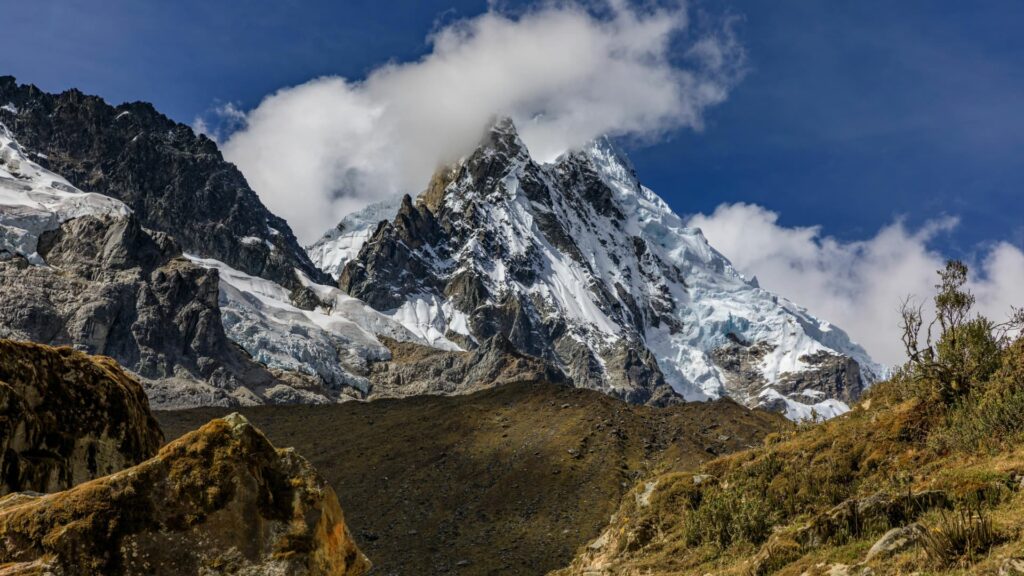
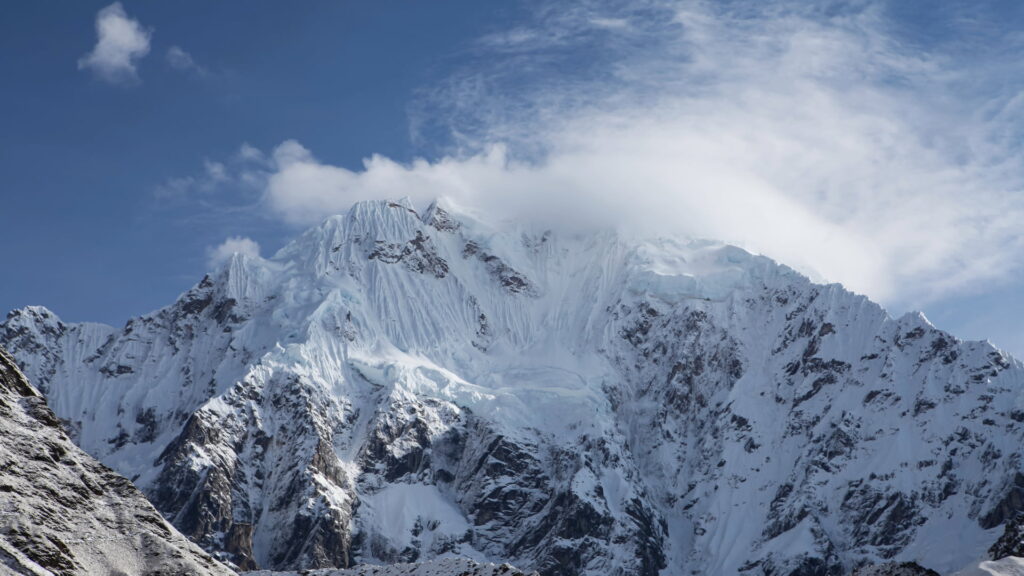
The Apu Salkantay, standing at an imposing 19,400 ft, is one of the most revered peaks in Andean cosmology and culture. The name «Salkantay» comes from the Quechua language and means «Wild Mountain.» For centuries, this mountain has been considered a guardian of the valleys and communities that surround it. During the time of the Inca Empire, the Incas associated it with fertility, rain, and the connection between the earthly and spiritual worlds.
Salkantay vs. Inca Trail
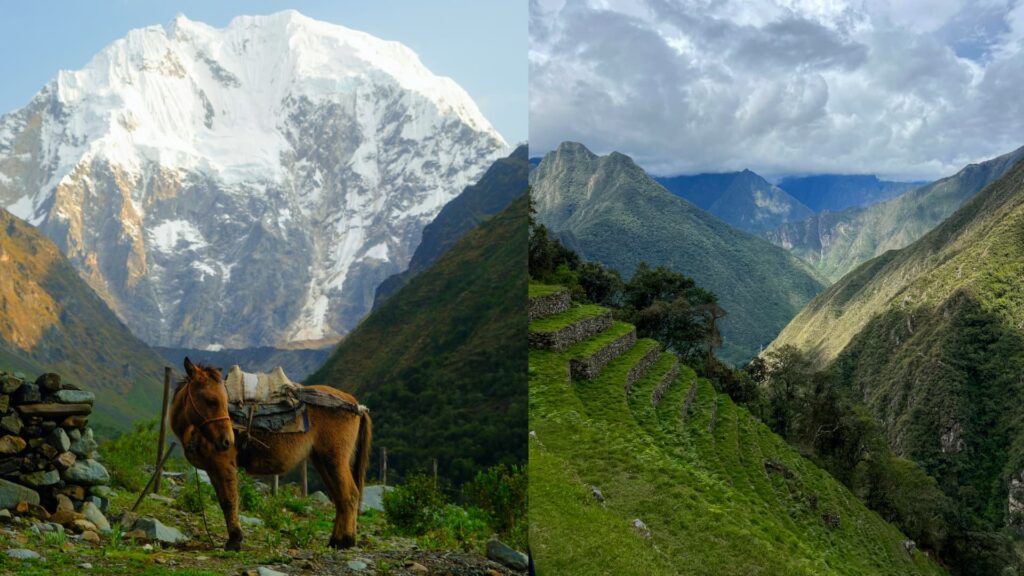
Unlike the Inca Trail, which was strictly a ceremonial and administrative route, Salkantay served as a commercial and pilgrimage corridor. During the Inca era, numerous trails connected to the Amazon rainforest, facilitating the exchange of products such as coca leaves, various fruits, and tropical bird feathers. Even today, Andean communities continue performing rituals in honor of Apu Salkantay, leaving offerings at its base and asking for permission before beginning their journey.
Tourism in the Rainy Season: Is It Possible?
Traveling the Salkantay route between November and March means facing heavy rains, slippery trails, and potential path closures due to landslides. However, this season also offers advantages that few travelers consider:
1.Fewer Tourists, More Connection with Nature
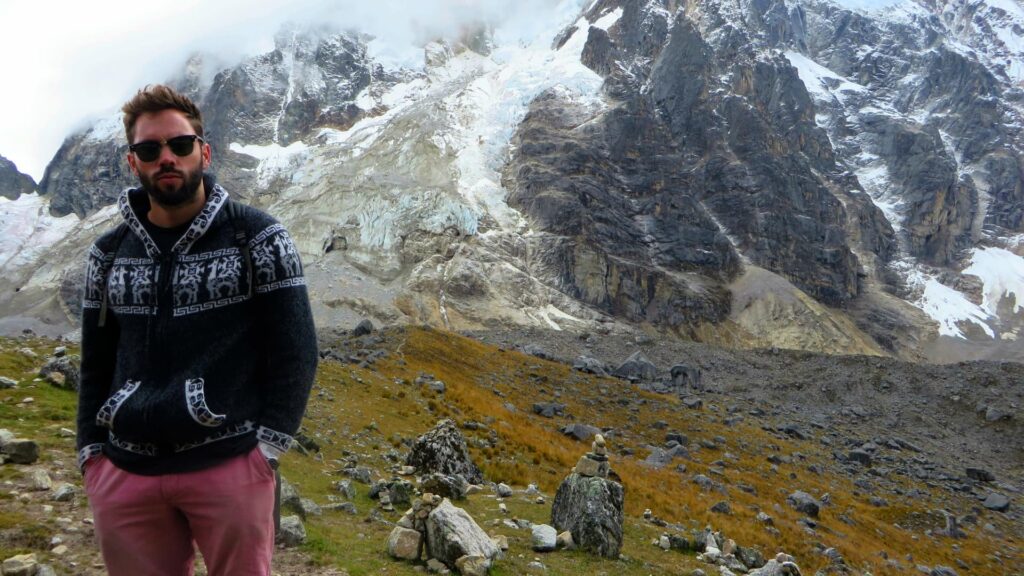
Although the Salkantay Trek is increasingly popular, the number of travelers drops significantly during the rainy season. This allows for a more intimate experience with the landscape and a deeper connection with nature, free from large crowds.
2. Lush Landscapes and Greater Biodiversity
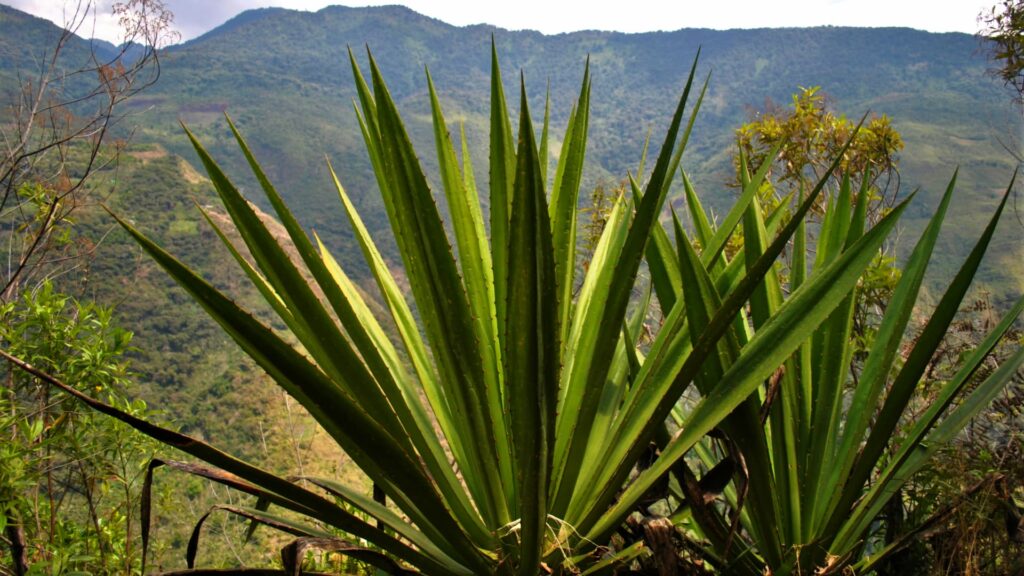
During the rainy season, vegetation flourishes, making the cloud forests and mountains appear more vibrant and full of life. Additionally, this time of year is ideal for spotting birds, amphibians, and endemic flora in their peak splendor.
3. Unique Photography: Clouds, Rain, and Mysticism
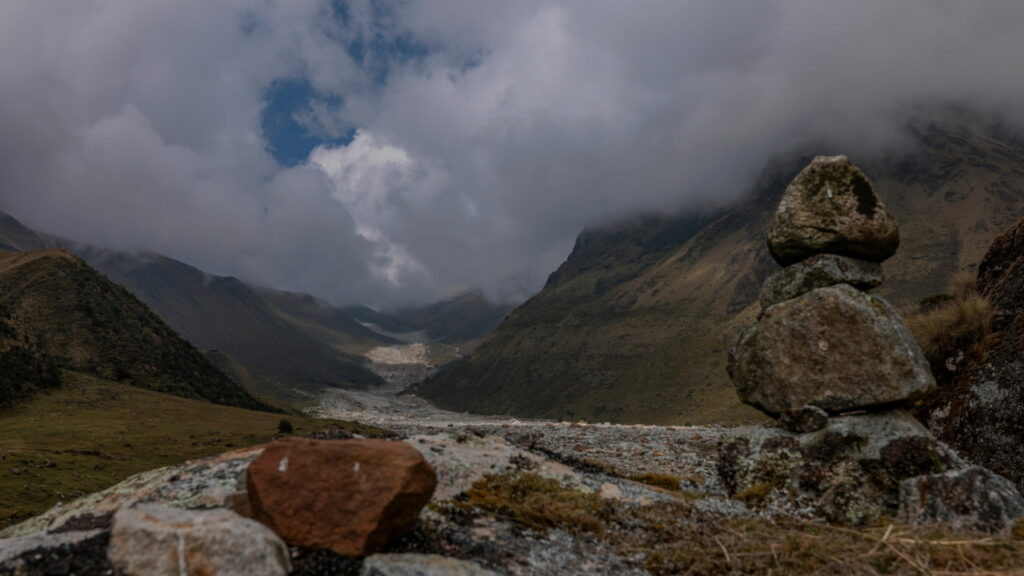
For photography enthusiasts, the rainy season offers exotic and breathtaking scenes. Low clouds over the snowy peaks, mist covering the valleys, and diffused light create cinematic images that cannot be captured in the dry season.
Challenges and Recommendations for Traveling in the Rain
Have you decided to travel during the rainy season? If so, proper preparation is crucial:
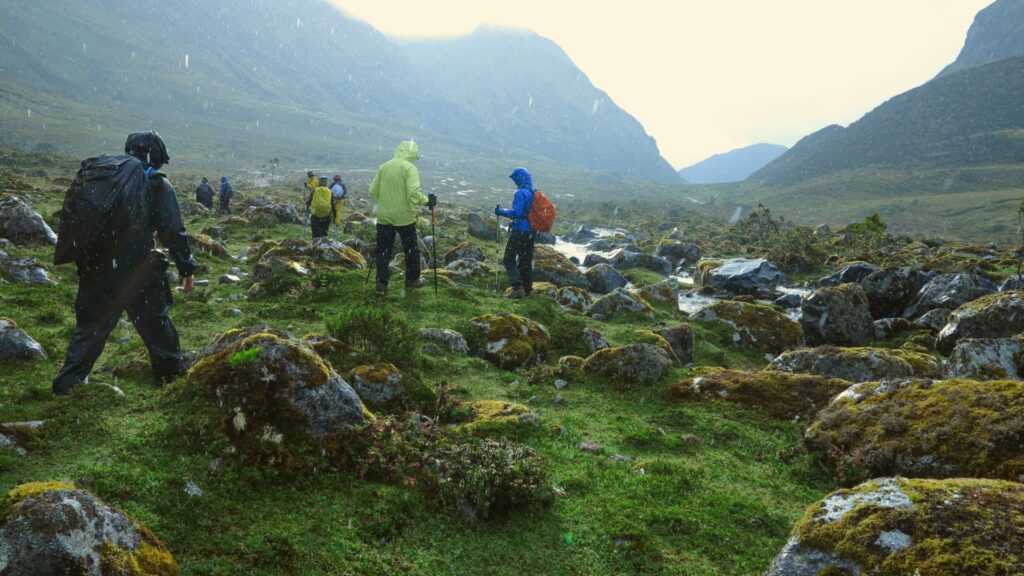
- Waterproof Gear: A good rain jacket or poncho, waterproof pants, and backpack covers are essential.
- Trekking Boots with Good Grip: Trails can become slippery, so non-slip footwear is highly recommended. Make sure your shoes are comfortable before starting the hike.
- Trekking Poles: These help maintain balance on muddy terrain.
- Protection for Electronic Devices: Use waterproof bags or cases for cameras and phones.
- Flexible Planning: Weather conditions may make some sections impassable, so having an adaptable itinerary is important.
Living History on the Salkantay Trail
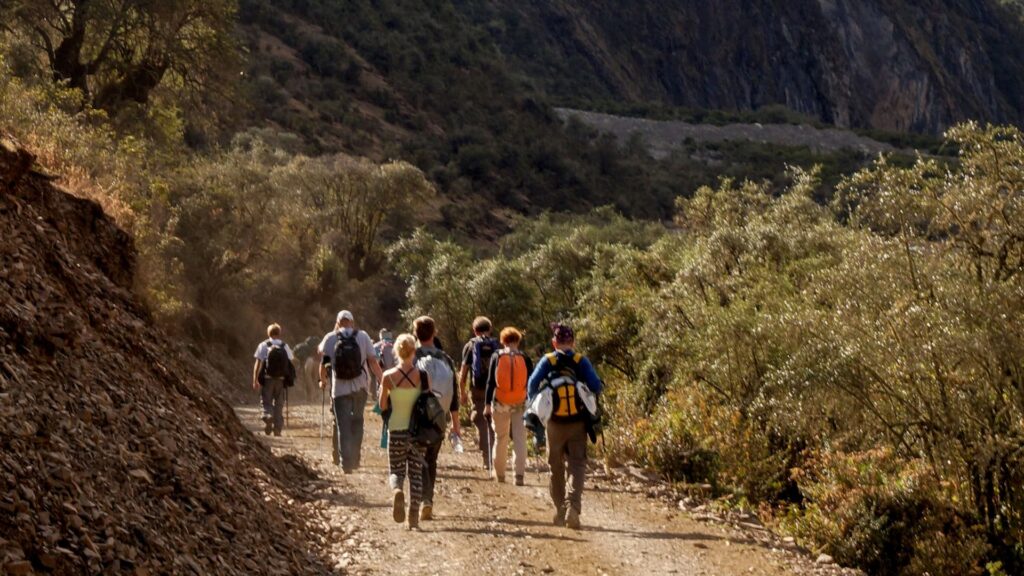
Beyond its impressive geography, the Salkantay Trek is a journey through Inca history. Along the route, you can find lesser-known archaeological remains, such as:
- Paucarcancha: An Inca ceremonial site where travelers stopped to make offerings before crossing the mountain passes.
- Llactapata: An ancient citadel with direct views of Machu Picchu, used as a strategic control post by the Incas.
- Tambo de Wayraqmachay: One of the few remaining Inca tambos (resting places) that still preserves its original structure, built as a shelter for travelers of the time.
These remnants show that Salkantay was not just a transit route but a path of ritual and strategic significance within the Tawantinsuyu.
Tourism Impact and the Importance of Sustainability
The growth of tourism in the Salkantay region has brought both benefits and challenges. While tourism generates income for local communities, it has also led to issues such as waste accumulation, trail erosion, and pollution of rivers and lakes.
To mitigate these effects, travelers must adopt responsible tourism practices:
- Respect Environmental Guidelines: Do not leave trash and use biodegradable products.
- Choose Sustainable Tour Operators: Support agencies that implement eco-friendly practices and work with local guides.
- Respect Local Culture: Participate in activities that promote the local economy, such as purchasing artisan products.
- Avoid Overexploitation of Resources: Reduce plastic use and minimize carbon footprints by opting for hikes over motorized transport.
The Salkantay Trek during the rainy season is not for everyone. It requires preparation, flexibility, and an adventurous spirit. However, those who dare to undertake it during these months will discover a renewed landscape, a deeper connection with Inca history, and the opportunity to experience the mysticism of the Andes in its fullest expression.